A film score works when you stop hearing it as music only. Each documentary I’ve worked on brought a different emotional territory – each one asking for a different kind of listening before a single note was written.
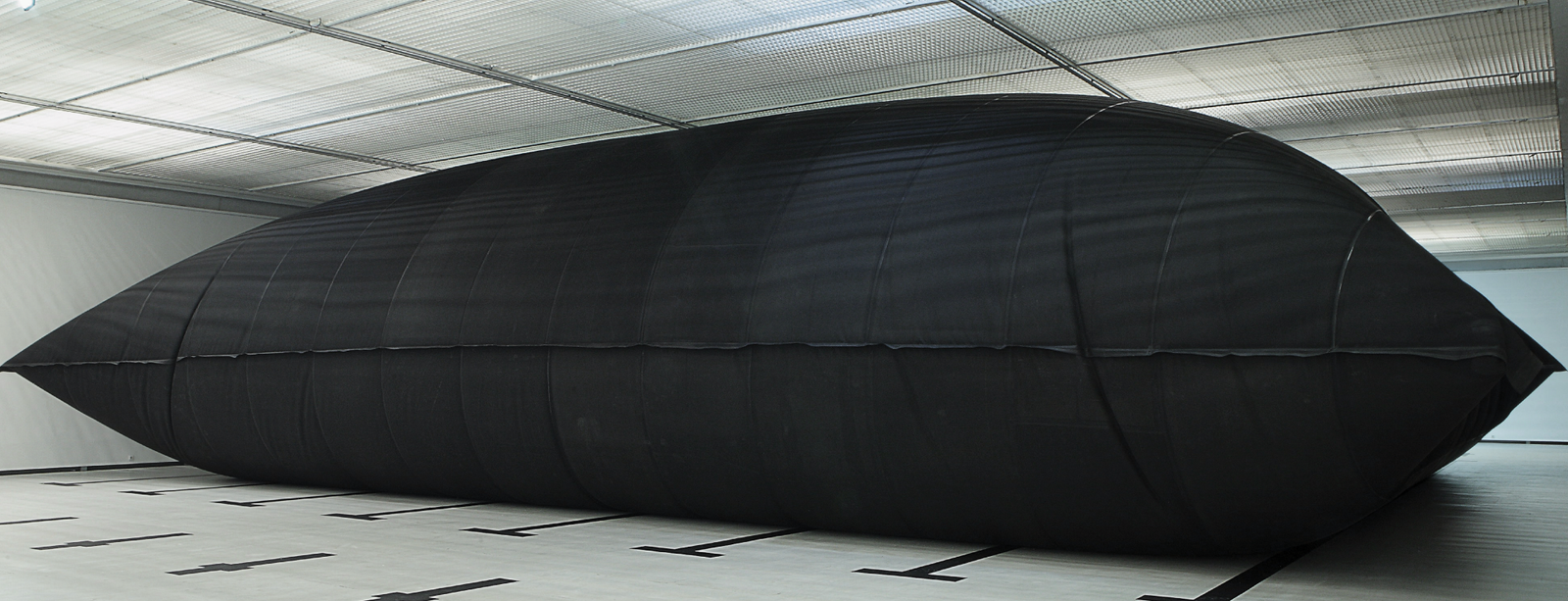
JUODA
(BLACK/DARK MATTER)
Dir. Aušra Lukošiūnienė
Vėgėlės filmai (2024)
A portrait of Valdas Ozarinskas – the Lithuanian architect-visionary — told through a genre blend of artistic biography, science documentary, and science fiction. Non-chronological, sparse with words, heavy with image. The score and sound design had to carry what the narrative deliberately withholds – supporting visual solutions that don’t explain themselves, and a tonal range that moves between intimate biography and something closer to speculation.
The film was presented at the Cannes Film Festival and nominated for the Silver Crane Award.
Composer: Povilas Vaitkevičius / Cinematography: Nojus Drąsutis, Kristina Sereikaitė.



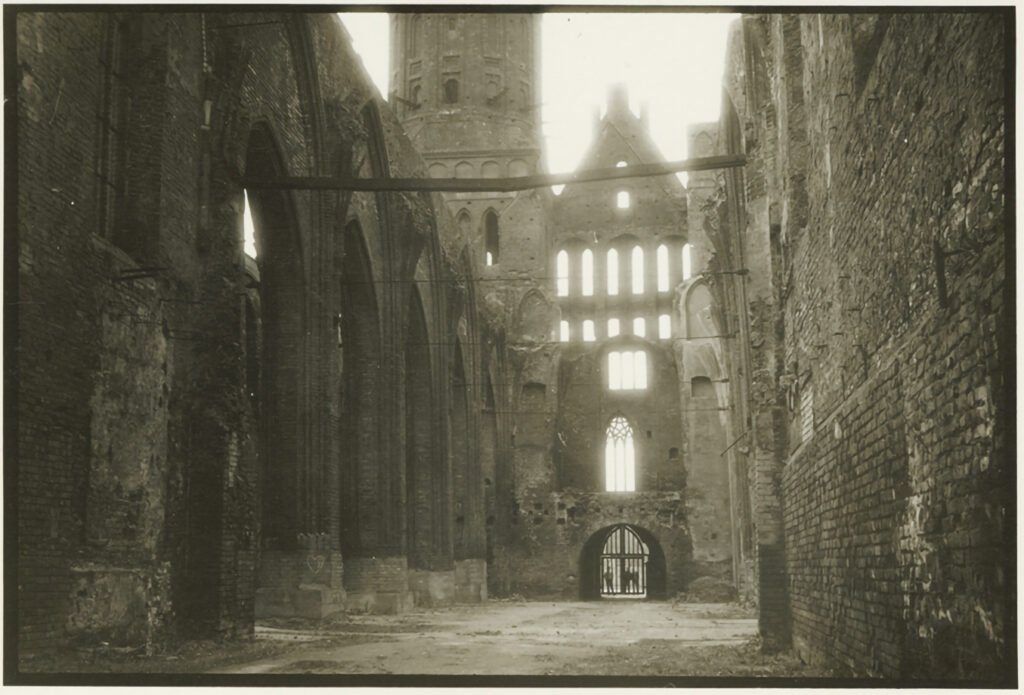
SEPIJA (SEPIA)
Dir. Aušra Lukošiūnienė (1991 / 2022)
A documentary following photographer Raimundas Urbonas through the former Königsberg region, where fading history and contemporary brutality coexist. The film is quiet and unhurried, built around the act of looking: an artist moving through a landscape that is disappearing, making images of what remains. Beneath the Soviet concrete and the rust, something older persists – traces of Old Prussian atmosphere, barely felt, invisible to those who pass through quickly, present to those who know how to search. Sepia here is more than a photographic tone – it is the colour of a vanished kingdom, still visible beneath the surface of a crumbling present.
The film was screened as part of the exhibition Nuo sienos iki sienos at Priekulė railway station – a two-day event dedicated to Urbonas, combining photography, archival material, performance, and sound.
Composer: Povilas Vaitkevičius / Director: Aušra Lukošiūnienė

Povilas Vaitkevičius on